If you are looking at Cabo Costa, you are likely asking a very practical question: how do you go from choosing a unit to actually getting the keys? That is a smart question, especially when you are buying across borders and want clarity before you commit. The good news is that Cabo Costa is presented as a fully delivered community in El Tezal, so your path is less about construction uncertainty and more about a clean, organized purchase process from reservation through closing. Let’s walk through what that looks like.
Why Cabo Costa Works Differently
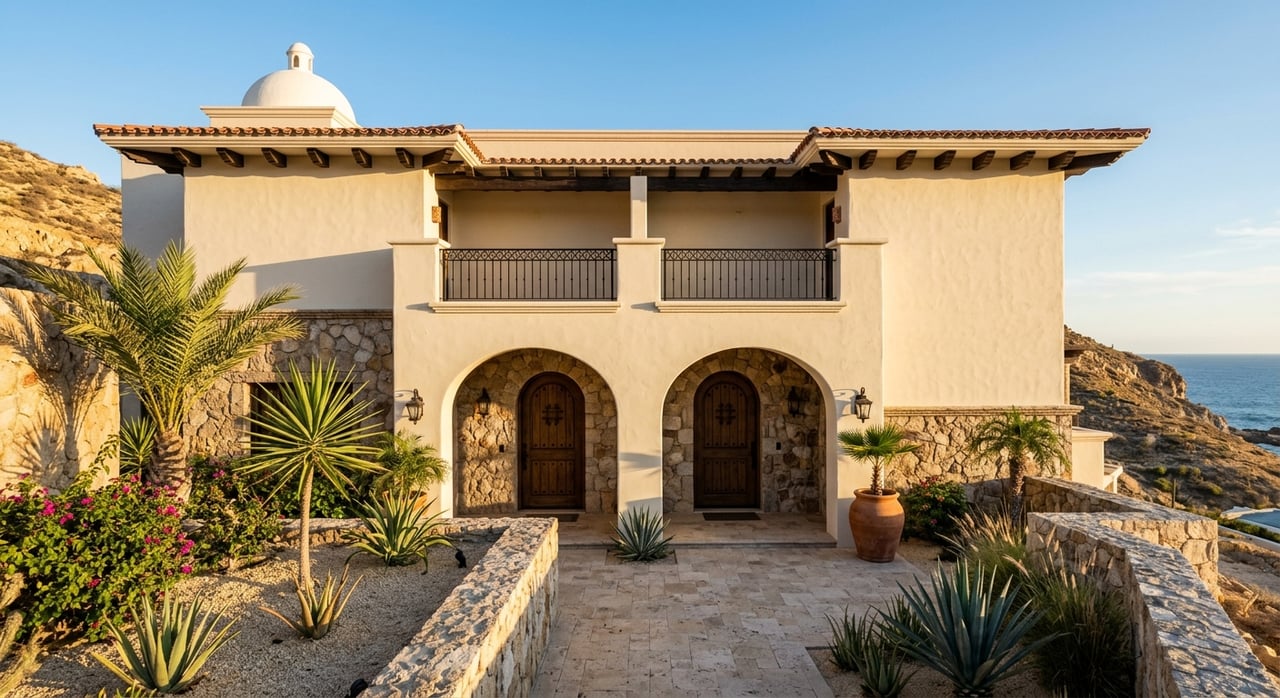
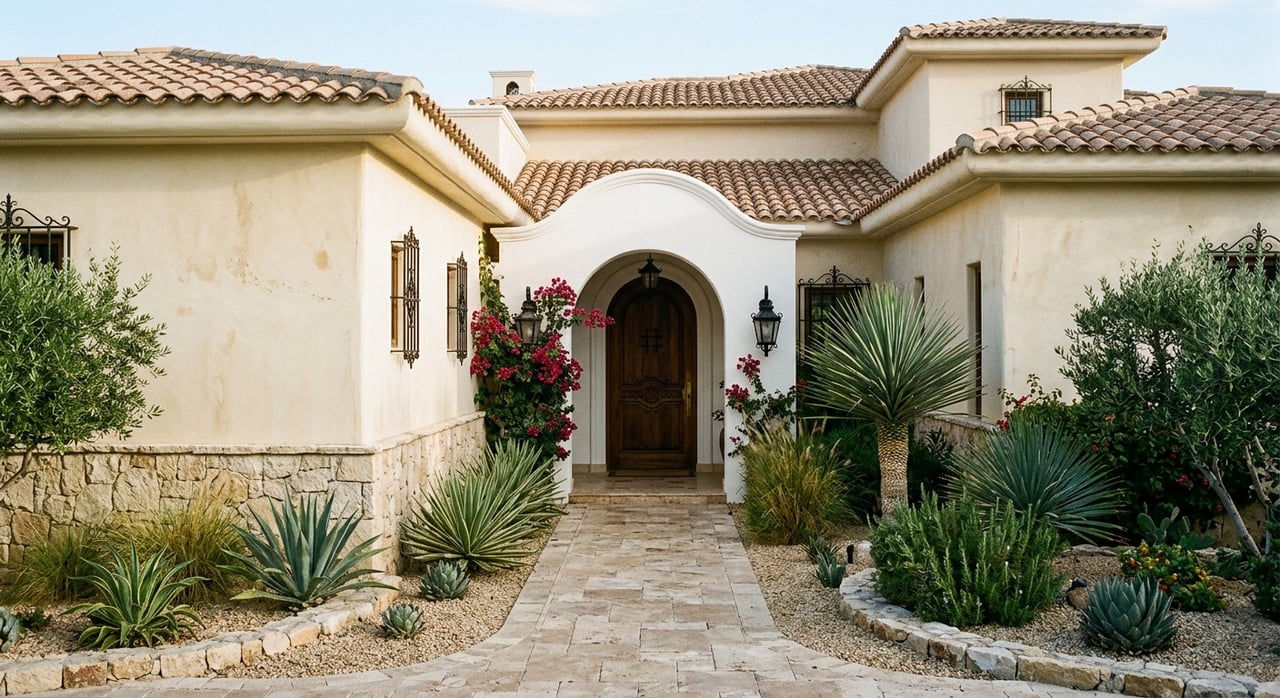
Cabo Costa is described as a newly completed gated community in El Tezal, Cabo San Lucas, with 136 condominiums in nine towers and 16 four-bedroom villas. Oceanside presents it as fully delivered, with construction completed in 2024.
That matters because your transaction is not centered on waiting for future delivery. Instead, the focus shifts to the unit you select, the written reservation terms, contract review, title diligence, closing, and handover.
Oceanside also notes that buyers can move in or begin renting immediately. For many buyers, that creates a more direct path to personal use, second-home ownership, or income planning once the transaction is complete.
Start With a Written Reservation
The reservation stage should feel simple, but it still deserves careful attention. Under NOM-247, residential home marketing and sales must follow consumer-protection rules, including the requirement that payments not be made until the contractual relationship is in writing, except for properly documented anticipos or operating expenses.
In practical terms, your reservation deposit should be clearly documented. The written terms should identify the exact unit, purchase price, deadlines, contingencies, and the rules for refunds or penalties.
This is one of the most important moments in the process because it sets the expectations for everything that follows. If the reservation terms are clear at the beginning, the rest of the transaction is usually much easier to manage.
What to confirm in the reservation
- Exact unit number and property type
- Agreed purchase price
- Deposit amount and timing
- Contract deadlines
- Any contingencies or review periods
- Refund and penalty terms
- Expected closing timeline
Review the Contract Carefully
Once the reservation is in place, the next step is the formal contract package. NOM-247 provides a useful framework here because it requires transparency in the transaction and gives buyers the right to review the terms that will govern the sale.
You should make sure the contract matches the business terms you agreed to during reservation. That includes the property description, price, payment schedule, included items, closing responsibilities, and delivery condition.
NOM-247 also says buyers can check whether an adhesion contract is registered in PROFECO’s contract registry before signing. That extra step can help you feel more confident that the paperwork has been handled properly.
Know the Notario’s Role
One of the biggest differences for many cross-border buyers is the role of the notario in Mexico. SHF explains that a Mexican notario is a legal professional with public faith, which is very different from the more limited role of a U.S. notary public.
The notario plays a central role in formalizing the sale. According to SHF and NOM-247, the notario reviews the legal status of the property, examines registry records, verifies whether there are liens, lawsuits, or other limits on title, explains the cost breakdown, handles the relevant tax filing process, and presents the deed testimony for registration once the instrument is granted.
NOM-247 also states that the buyer has the right to choose the notario. That is an important protection, and it is one reason a well-organized transaction team can make the process feel much more transparent.
Foreign Buyers and the Fideicomiso
For many Cabo Costa buyers, the next question is whether a fideicomiso will be required. The Secretaría de Relaciones Exteriores states that foreigners cannot hold direct title to residential property in Mexico’s restricted zone, which includes coastal areas, and that use and enjoyment in that zone are permitted through a fideicomiso documented in a public deed.
Because Cabo Costa is in Cabo San Lucas near the coast, foreign buyers should generally expect the fideicomiso route if they are not Mexican nationals. The permit request must identify the parties, the fiduciary bank, the term, intended use, legal description, and the property’s distance from the coast or border.
This is a normal part of coastal ownership in Los Cabos, not a red flag. Your notario and fiduciary bank should confirm the structure that applies to your specific purchase.
What Due Diligence Should Cover
A smooth closing starts with a complete due diligence file. SHF advises buyers to verify title status, review registry certificates, and confirm the paid-up status of relevant property charges before making payments.
Los Cabos closing guidance also points to documents tied to the tax and closing step, including the notary-signed declaration, a copy of the escritura, a current appraisal, current predial evidence, and ISABI department approval. Baja California Sur guidance further says buyers should verify directly in the Public Registry that the property is free of mortgage, embargo, or lawsuit before closing.
PROFECO’s housing guidance adds a practical layer by pointing to evidence of no adeudos and supporting ownership documents as the type of records often reviewed during a property transaction. In a community like Cabo Costa, this works best as a checklist mindset rather than a rigid one-size-fits-all rule.
Cabo Costa due diligence checklist
- Confirm the legal description matches the unit you are buying
- Review Public Registry status
- Verify the property is free of mortgage, embargo, or lawsuit
- Check title and registry constancias
- Confirm predial status and other applicable charges
- Review the notary’s cost breakdown
- Confirm the contract terms match the reservation terms
- Make sure the provider is supplying documents needed for escrituración
Understand Closing Costs and Taxes
Closing is where legal review turns into formal ownership. NOM-247 says the notary must explain the breakdown of expenses, carry out the applicable tax filing and payment steps, and present the testimony to the Public Registry of Property once the deed has been granted.
You should also budget for local transfer taxes and related closing costs. A January 2026 legal alert reported that the ISABI real-estate transfer tax was 3% across Baja California Sur effective January 1, 2026, but exact closing figures should be confirmed directly with the notario because municipal and state rules can change.
That is why many buyers benefit from treating the closing estimate as a live document. Before you finalize your reservation deposit, it is wise to understand the expected tax and closing-cost range tied to your unit.
Do a Final Walk-Through Before Handover
Even in a delivered community, the final walk-through still matters. It is your practical checkpoint to confirm that the unit, finishes, accessories, and any promised items match the contract and sales materials before possession changes hands.
This is less about legal theory and more about good buying discipline. You want to verify condition, included features, and any agreed details while everything is still easy to document and address.
For buyers planning immediate occupancy or rental use, this step is especially important. It helps you move from closing day to actual use with fewer surprises.
What Happens After Closing
One of Cabo Costa’s advantages is that it is already operational. Oceanside presents the community as ready for move-in or rental activity, which can make your post-close transition much more straightforward.
That is also where ownership planning becomes personal. You may be buying for full-time living, seasonal use, or income potential, and each path comes with different setup needs after closing.
Oceanside’s platform includes brokerage, property management, and vacation rentals through Arch Cabo Luxury Rentals. For buyers who want a more turnkey ownership experience, that can support the shift from purchase to occupancy or rental readiness.
A Simple Cabo Costa Timeline
If you want to think about the process in plain language, it usually looks like this:
- Reserve the unit with written terms
- Review and sign the contract documents
- Confirm notario selection and transaction structure
- Complete title and property due diligence
- Finalize fideicomiso steps if applicable
- Review closing-cost and tax figures
- Complete final walk-through
- Sign closing documents and register the deed
- Move in or prepare the property for rental use
Why Guidance Matters in Cabo Costa
Buying in Cabo San Lucas can be exciting, but it also rewards preparation. In a community like Cabo Costa, the opportunity is not just about finding the right residence. It is about moving through reservation, diligence, closing, and handover with clear expectations and the right local support.
When the process is handled well, you can focus less on uncertainty and more on what ownership is meant to deliver. That may be a place to enjoy Cabo more often, a lock-and-leave second home, or a property that is ready to begin its next chapter right after closing.
If you are considering Cabo Costa and want a clear path from reservation to closing, Oceanside Real Estate Group can help you navigate the process with local knowledge and concierge-level guidance.
FAQs
Do foreign buyers need a fideicomiso for Cabo Costa?
- For a coastal residential property in Cabo San Lucas, the SRE rules point foreign buyers toward a fideicomiso structure rather than direct title, with the final structure confirmed by the notario and fiduciary bank for the specific unit.
Can a buyer choose the notario in a Cabo Costa purchase?
- Yes. NOM-247 states that the buyer has the right to choose the notario.
What should a buyer check before closing on a Cabo Costa unit?
- Buyers should review title status, Public Registry records, liens or lawsuits, predial status, other applicable charges, contract terms, and the notary’s closing-cost breakdown.
Can you rent out a Cabo Costa property right after closing?
- Oceanside presents Cabo Costa as fully delivered and operational, and says buyers may move in or begin renting immediately, subject to applicable HOA, management, and legal rental requirements.
Why is Cabo Costa different from a pre-construction purchase?
- Cabo Costa is presented as a completed community, so the process is focused on reservation, contract review, due diligence, closing, and handover rather than waiting on future construction delivery.