By Christies Real Estate Cabo
Los Cabos has a wide architectural range, shaped by centuries of Spanish colonial influence, the region's demanding desert climate, and a more recent wave of contemporary design. Understanding these styles helps explain not just how a home looks, but why it was built that way in the first place, since nearly every design choice here traces back to either heritage or the practical demands of the environment. Here's what we think is worth knowing about the architectural styles found throughout Los Cabos.
Key Takeaways
- Hacienda-style homes represent the region's original architectural language, adapted for the desert
- Spanish colonial and mission-influenced details still show up throughout San José del Cabo and beyond
- Contemporary desert architecture dominates most new construction today
- Material choices here are shaped as much by hurricane resilience as by aesthetics
Hacienda Style: Where Cabo's Architectural Roots Still Show
Hacienda-style homes trace directly to the Spanish colonial architecture of mainland Mexico, adapted here for Baja's desert climate. Thick masonry walls, interior courtyards, terracotta roof tiles, arched doorways, and hand-painted Talavera tile work are all defining features of this style. The courtyard layout in particular serves a practical purpose, creating a shaded gathering space shielded from intense sun while still encouraging airflow through the home. Many newer developments across the region continue to draw on these same elements, blending them with more modern materials rather than abandoning them entirely.
What Defines This Style
- Thick masonry walls built to handle the desert climate
- Interior courtyards that provide shade and encourage airflow
- Terracotta roof tiles and arched doorways throughout
- Hand-painted Talavera tile as a signature decorative element
Spanish Colonial and Mission-Influenced Details
Spanish villa-style homes lean into the grandeur of their colonial roots, with red tile roofs set against white stucco walls, richly stained wood doors and shutters, and recurring use of curves and arches throughout. Mission Revival details, dating back to 18th century colonial Spain, add their own distinct character, often including a curved parapet above the roofline paired with a square bell tower, along with intricately carved window trim and patterned brick inlay above arched openings. These influences remain visible throughout San José del Cabo, where Spanish colonial-era construction still stands alongside more recently built homes, giving the town's historic center a layered architectural identity.
What to Look For
- Red tile roofs paired with white stucco walls
- Recurring arches in windows, doorways, and porch eaves
- Mission Revival details like curved parapets, bell towers, and carved window trim
- Spanish colonial-era construction still standing throughout San José del Cabo
Contemporary Desert Architecture Dominates New Construction
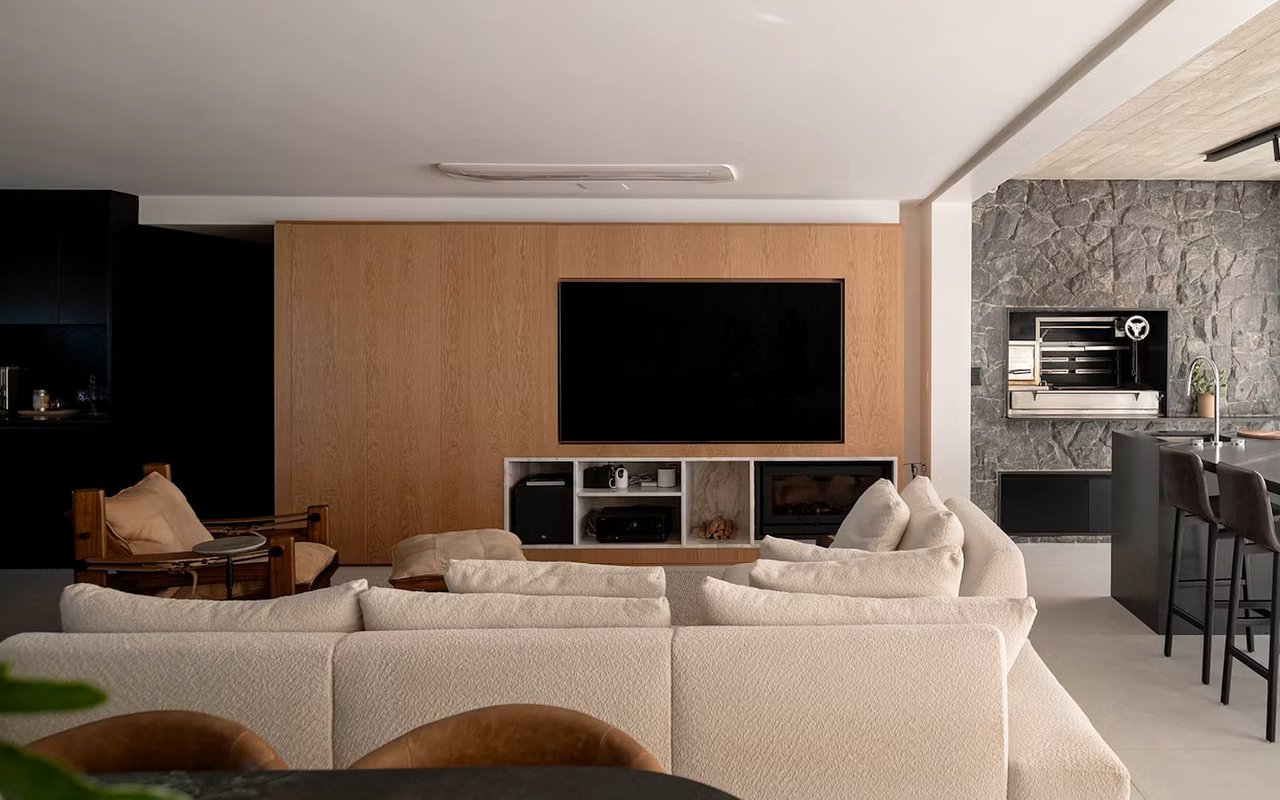
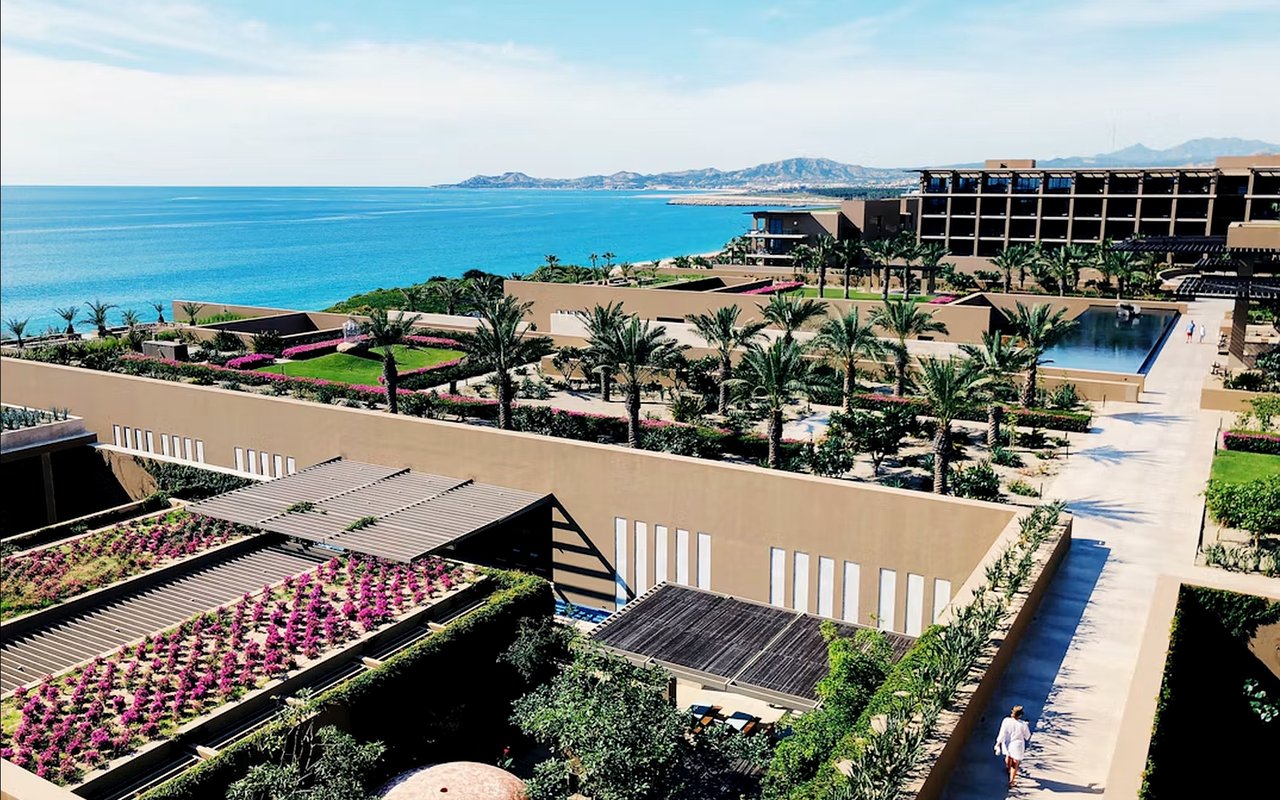
Most new construction in Los Cabos today leans contemporary, emphasizing clean lines, flat roofs, and expansive glass that blurs the line between indoor and outdoor living. Natural stone sourced from the surrounding desert landscape and neutral, earth-toned palettes help these homes feel rooted in their environment rather than imposed on it. Open floor plans and large glass openings also serve a practical function here, since they let in ocean breezes and reduce reliance on mechanical cooling, while sustainable, durable materials have become an increasing priority as more homes adopt this style. Buyers drawn to this look are often choosing it for its livability in the climate as much as its appearance.
What Sets This Style Apart
- Clean lines, flat roofs, and extensive use of glass
- Natural stone and earth-toned palettes drawn from the desert landscape
- Open floor plans connecting indoor and outdoor living
- Sustainable, durable materials are an increasing priority in newer builds
Why Hurricane Resilience Shapes Material Choices
Many of the region's older structures have been rebuilt or refurbished over the years because of hurricane damage, which has real, lasting influence on how homes here are built today. Hacienda-style construction, with its thick masonry walls, has a practical advantage in this climate that goes well beyond its historic character, since those same walls were originally built to withstand heat and storms alike. Builders working in contemporary styles have had to find their own ways to balance large glass openings and open floor plans with the structural demands of the region's storm season. Understanding how a specific home addresses this tradeoff is worth asking about directly, regardless of which architectural style you're drawn to.
Why This Matters for Buyers
- Hurricane damage has shaped rebuilding and renovation throughout the region
- Thick masonry construction offers real structural advantages in this climate
- Contemporary builders balance open, glass-heavy designs against storm resilience
- Worth asking directly how a specific home's construction addresses this reality
A Landmark Worth Knowing: Iglesia de San José
The Iglesia de San José, overlooking Plaza Mijares in San José del Cabo, is one of the clearest examples of mission-style architecture still standing in the region. Its twin bell towers and classic mission facade make it a recognizable fixture of the town's historic center. For anyone trying to picture how these architectural influences actually look in person, rather than just reading about them, it remains one of the most accessible examples to visit.
Why This Landmark Stands Out
- Overlooks Plaza Mijares in the heart of San José del Cabo
- Twin bell towers define its mission-style facade
- A recognizable fixture of San José del Cabo's historic center
- An accessible, real-world example of mission architecture in the region
FAQs
Is hacienda-style architecture still common in new homes being built today?
It's less common than contemporary design for brand-new construction, but many builders still borrow hacienda elements like courtyards and arched doorways. The two styles often end up blending in newer homes rather than appearing in isolation.
Does the desert climate really affect which architectural style makes sense?
Yes, quite a bit. Thick-walled hacienda construction and contemporary designs both address the heat, just through very different approaches, and both have had to adapt further to the region's hurricane exposure.
Where can we actually see mission-style architecture in person?
The Iglesia de San José in San José del Cabo's Plaza Mijares is one of the clearest, most accessible examples in the region, and the surrounding plaza is well worth exploring on the same visit.
Contact Christies Real Estate Cabo Today
Understanding a property's architectural style, and what that style actually means for maintenance, resilience, and everyday livability, is something we walk buyers through carefully, whether you're drawn to a hacienda-style courtyard home, a Spanish colonial villa, or a contemporary design built for indoor-outdoor living. We're happy to talk through which style actually fits what you're looking for and how it holds up in this specific climate.
Reach out to Christies Real Estate Cabo, and let's talk about finding your place in Los Cabos.
Reach out to Christies Real Estate Cabo, and let's talk about finding your place in Los Cabos.